




Salil Chowdhury’s Influence on Bengali Music
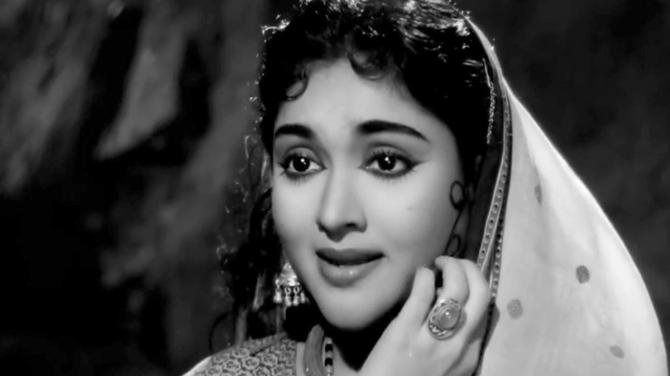
IMAGE: Vyjayanthimala in the song Aaja Re Pardesi from Madhumati.
Salil Chowdhury’s Legacy
As we commemorate the centenary of Salil Chowdhury, it’s impossible not to think of Bimal Roy. Chowdhury composed some of his most memorable songs for Roy, such as Dharti Kahe Pukar Ke in Do Bigha Zamin, O Sajana, Barkha Bahar Aayee from Parakh, and Aaja Re Pardesi and Suhana Safar from Madhumati.
Collaborations and Friendships
Screenwriter Nabendu Ghosh, a friend from Chowdhury’s IPTA days in Kolkata, also worked with Roy in Bombay. Ghosh adapted novels like Biraj Bahu and Devdas, with music contributed by Chowdhury. The families of these three were close, their children growing up together.
Memories from Family and Friends
Speaking to Rediff, Roshmila Bhattacharya discusses memories with Bimal Roy’s daughters, Rinki Roy Bhattacharya, Aparajita Sinha, their brother Joy Bimal Roy, and Nabendu Ghosh’s daughter Ratnottama Sengupta.
“The choir practiced at our home. My mother, Manobina Roy, was a hospitable hostess, serving tea and samosas. We listened to them sing, and Salilkaku taught us some songs,” recalls Aparajita.
Early Recollections
Aparajita shares, “Salilkaku was part of our family, frequently visiting us. Even after he moved to Kolkata, we reminisced fondly about my father.”

IMAGE: Lata Mangeshkar with Salil Chowdhury. Photograph: Courtesy Film History Pics/Instagram
Impact of Do Bigha Zamin
Aparajita notes, “My father’s first production, Do Bigha Zamin, was based on his story, Rickshawalla, about a farmer in Kolkata. Hrishikaku contributed to the screenplay, with input from many, including Dilip Kumar.”
Musical Contributions
Rinki recalls, “Aaja Ri Aa Nindiya Tu Aa by Lataji was recorded at 4 am. Another song, Hariyala Sawan Dhol Bajata Aaya, inspired later works like Lagaan‘s Ghanan Ghanan.”
Salil Chowdhury’s Musical Influences
Ratnottama shares, “Salilkaku, a Communist Party member, was inspired by Russia’s Red Army for Dharti Kahe Pukar Ke. He was involved with IPTA, befriending cultural icons there.”
The Bombay Youth Choir
Aparajita shares memories of the choir’s practice sessions at home, “Salilkaku taught us songs with a nationalist spirit. I still remember Tu Zinda Hai.”

IMAGE: Balraj Sahni and Ratan Kumar in Dharti Kahe Pukar Ke from Do Bigha Zamin.
Innovations in Music
Ratnottama reflects on Salil Chowdhury’s creation of ‘Gana Sangeet’, blending Western tunes with Indian folk styles. His works like Abaak Prithibi were socially conscious.
Personal Anecdotes
Aparajita recounts meeting Bhupen Hazarika in Shillong, “He insisted I sing. Many songs I thought were Salilkaku’s were rooted in folk traditions.”

IMAGE: Hema Malini in Allah Megh De Pani De from Palkon Ki Chhaon Mein.
Unfulfilled Projects
Joy mentions an unfinished film project by Bimal Roy Productions, with Salil Chowdhury’s involvement, which never progressed despite initial efforts.
Lasting Influence
Rinki shares, “A song from Parakh, sung by Lataji, was not included in the album due to HMV’s closure but remains a cherished memory.”
Photographs curated by Manisha Kotian/Rediff