





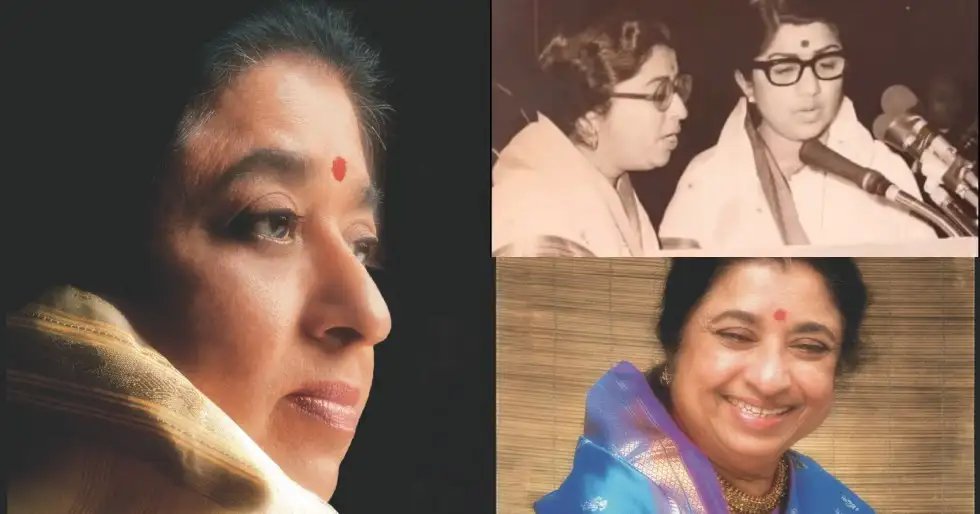
Usha Mangeshkar: A Life in Music and Quiet Influence
There are individuals whose lives quietly intertwine with history, shaping the times without seeking the spotlight. Usha Mangeshkar is one such person.
Early Life and Musical Heritage
For over seventy years, her voice has resonated across Indian cinema, devotional music, regional theatres, and private spaces. Her contributions spanned celebration and prayer, adapting and enduring without seeking dominance. Born into a musical family, she learned early that significance doesn’t require spectacle. Her father, Master Deenanath Mangeshkar, a classical vocalist, passed away when she was young, leaving a legacy of music that became a responsibility and a way of life.
Career and Philosophy
At ninety, Usha Mangeshkar reflects on moments of learning and restraint rather than milestones. Her career includes contributions to Hindi, Bengali, Tamil, Assamese, and Marathi cinema, alongside devotional music that touched millions. Her approach was always about listening and responding with patience.
Personal Reflections and Family Ties
I first met Usha Mangeshkar in a professional context, which gradually became personal. Her career’s weight was matched by the lightness with which she carried it. Our conversations were thoughtful and grounded. On her ninetieth year, we revisited these discussions to understand her life’s construction amid inevitable comparisons and recognition.
Insights into Her Journey
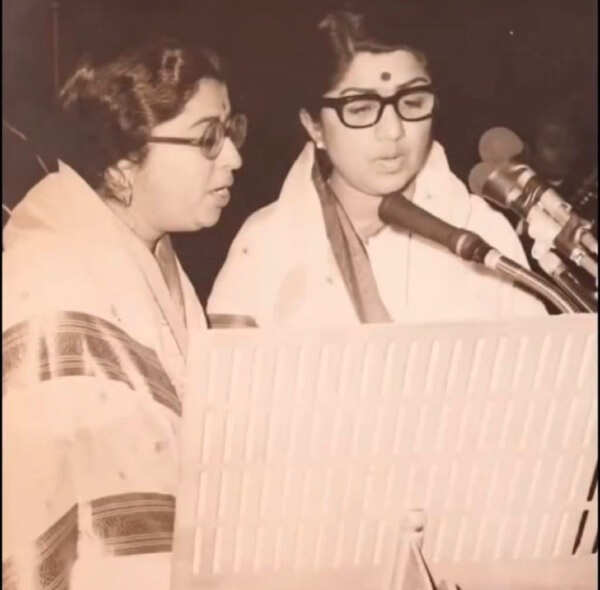
Usha Mangeshkar grew up surrounded by music, which naturally shaped her. She learned from listening to her sister, Lata Mangeshkar, and others. Her understanding of music as a life’s work developed gradually, influenced by her family of talented musicians.
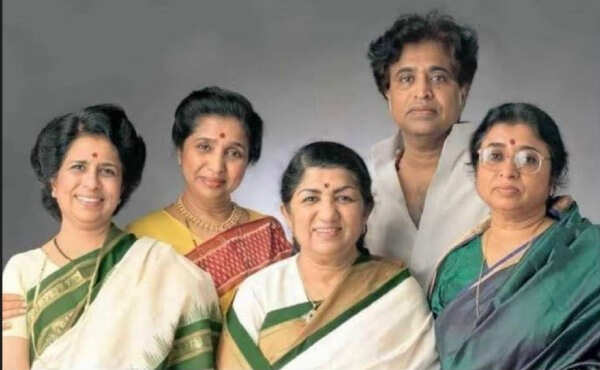
In a family of strong musical personalities, she found her own voice and focused on understanding its unique qualities. Her nieces and nephews hold a special place in her heart, and she cherishes the bond they share.
Artistic Identity and Legacy
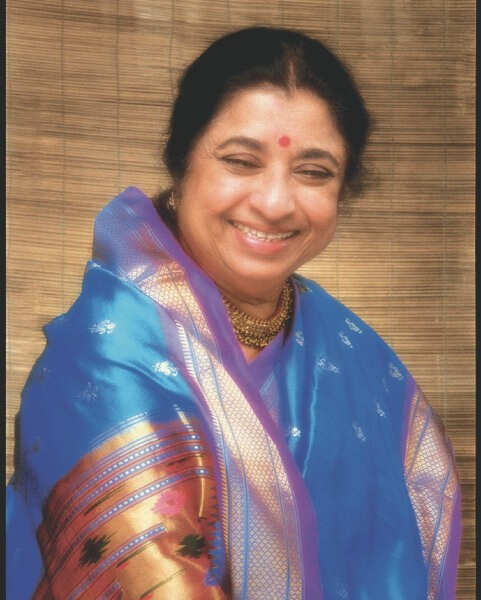
While audiences noticed similarities between her voice and Lata Mangeshkar’s, Usha Mangeshkar prioritized sincerity over distinction. Her surname was a responsibility but never a burden. She maintained high standards, viewing her work as an offering to her family, the Almighty, and her audience.
Her repertoire balanced devotional and popular music, each requiring a deep understanding of nuances. Her devotional songs became integral to many lives, not due to strategy but authenticity. Singing in various languages provided her with perspective, humility, and respect for diverse cultures.
Creative Relationships and Other Pursuits
Her bond with Pandit Hridaynath Mangeshkar was defined by trust and ease. Painting offered her a form of expression that complemented music, providing silence and contemplation.
Reflections on a Lifetime of Music
Looking back, Usha Mangeshkar values the continuity and adaptability of her career. She never chased recognition but trusted in her work’s consistency. Confidence came from preparation, while balance was maintained by understanding when to express and when to remain still.
Advice for Future Generations
At ninety, Usha Mangeshkar views her life with calm satisfaction, having honored her voice and values. She advises younger artists to pay attention to their craft and instincts, as excellence grows quietly.
Her journey exemplifies that greatness is often quiet, built on precision, consistency, and integrity. Her voice did not seek to outshine others but arrived where needed, teaching that true success lies in understanding and honoring one’s work.
For those navigating a world of speed and comparison, her life offers a map valuing preparation over publicity and continuity over noise. Her legacy is one of clarity, humility, and unwavering commitment.
Also Read: Usha Mangeshkar Recalls Winning Her First Filmfare Trophy at Filmfare Awards Marathi 2025