





Mon Laferte: Embracing Emotion Through Music
“Sometimes I wish I didn’t feel so much,” expresses Mon Laferte. “On an average day, I might find myself in tears multiple times. I wake up, stroll into my garden, and suddenly I’m overwhelmed by everything: the sky, the clouds, a butterfly. I see beauty even in a garbage dump. I start imagining stories: who discarded that empty bottle? What was on their mind while drinking from it? I constantly romanticize things. Now that I have a baby boy, my sense of wonder has grown because I get to see the world through his eyes.”
A New Chapter in Tepoztlán
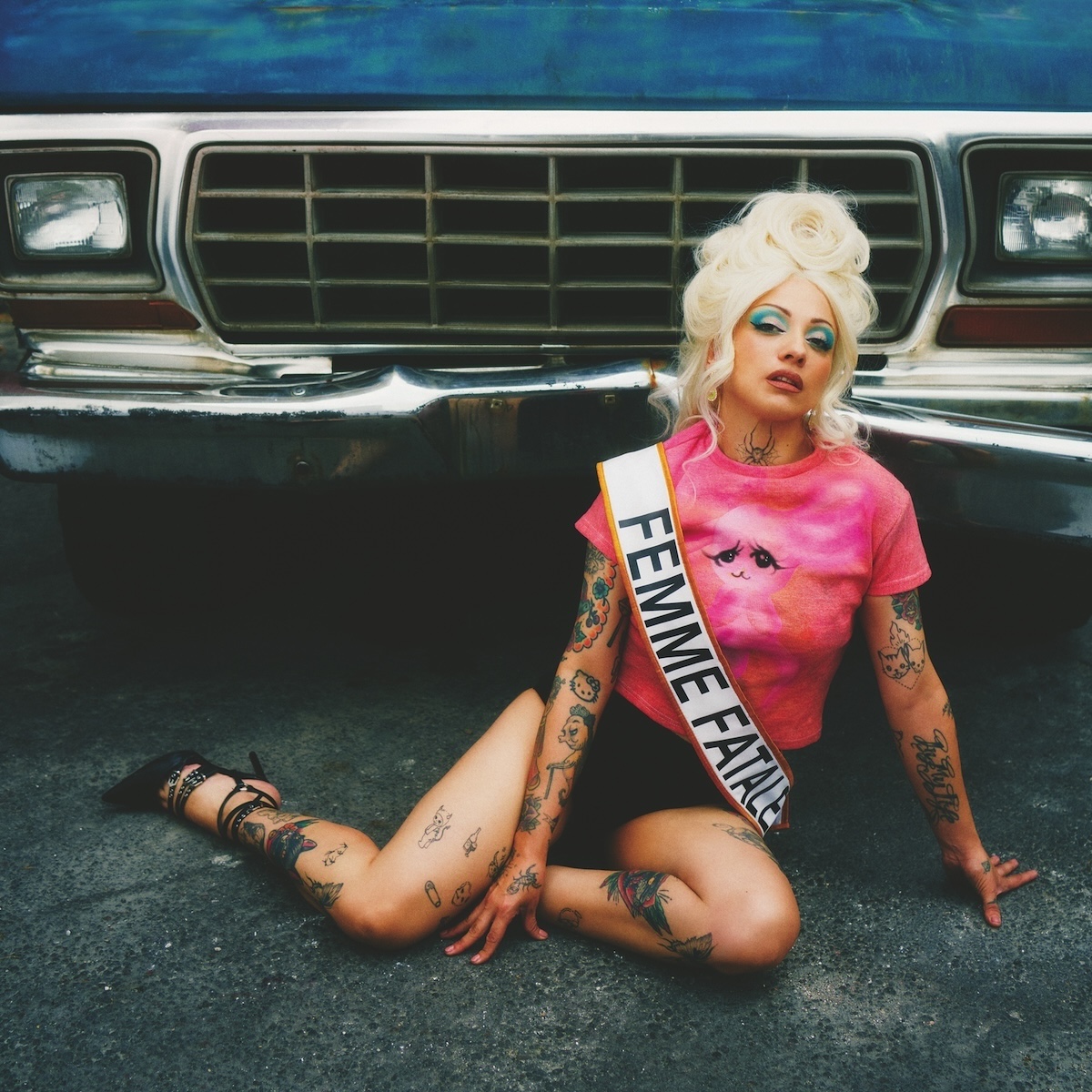
It’s a bright afternoon in Tepoztlán, an hour from Mexico City, where the renowned Chilean singer now resides as an international star and a prominent artist with Sony’s Latin division. During our Zoom call, she beams, surrounded by windows and greenery. At 42, Laferte looks stunning in a dark cap and rose-colored lipstick, with a spider tattoo on her neck, and elegantly thin wavy eyebrows. A hint of sadness lingers in her eyes as she discusses the intense emotions that fill her days.
Managing Bipolar Disorder
“I take a lot of medication,” she shares. “Recently, I was diagnosed with bipolar disorder. The medication has toned down my emotional intensity, but it helps me concentrate. I still live my life passionately. The medicine helps me balance those energies. Things are more organized now.”
Latest Album: Femme Fatale
Her new album, Femme Fatale, exemplifies her ability to transform personal struggles into beautiful art. The album combines elements of 1950s jazz torch songs, orchestral bolero, South American balada, and trip hop noir, creating a dramatic and colorful sound.
Exploring New Collaborations
The album features collaborations with artists like Nathy Peluso, Silvana Estrada, and Natalia Lafourcade, though Laferte’s solo tracks stand out with her powerful, yet soothing voice. Her breakthrough in 2015 with Mon Laferte, Vol. 1 marked a unique presence in Latin music, blending influences from La Lupe and Lana del Rey.
Personal and Autobiographical Elements
Chilean guitarist Sebastián Aracena, a frequent collaborator, describes her as a “force of nature” and highlights the autobiographical nature of her work, addressing personal topics like abandonment and abuse. “Working with her is an organic experience,” he says.
Transforming Pain into Art
“I find beauty and poetry in everything, even in difficult situations,” Laferte admits. “I can turn pain into music, viewing it like a beautiful painting. My artistic side sees opportunity in crisis.”
Addressing Raw Themes
Laferte’s music boldly tackles themes of sexuality and toxic relationships. In “Mi Hombre,” she sings about a lover who is unfaithful and abusive, while “Las Flores Que Dejaste En La Mesa” explores complex emotions tied to past relationships.
Musical Influences and Future Plans
Her music draws from diverse influences, including Billie Holiday and Julie London. “I grew up with dramatic music like Edith Piaf and Lola Flores,” she recalls, mentioning her mother’s influence and her diverse listening habits.
Laferte plans to tour Femme Fatale in the U.S. and Latin America in 2026, with ambitions to surpass her current work. “I don’t allow myself to rest on my achievements,” she says, aiming for continuous improvement.