



Harvey Mason Jr.’s Journey with the Recording Academy
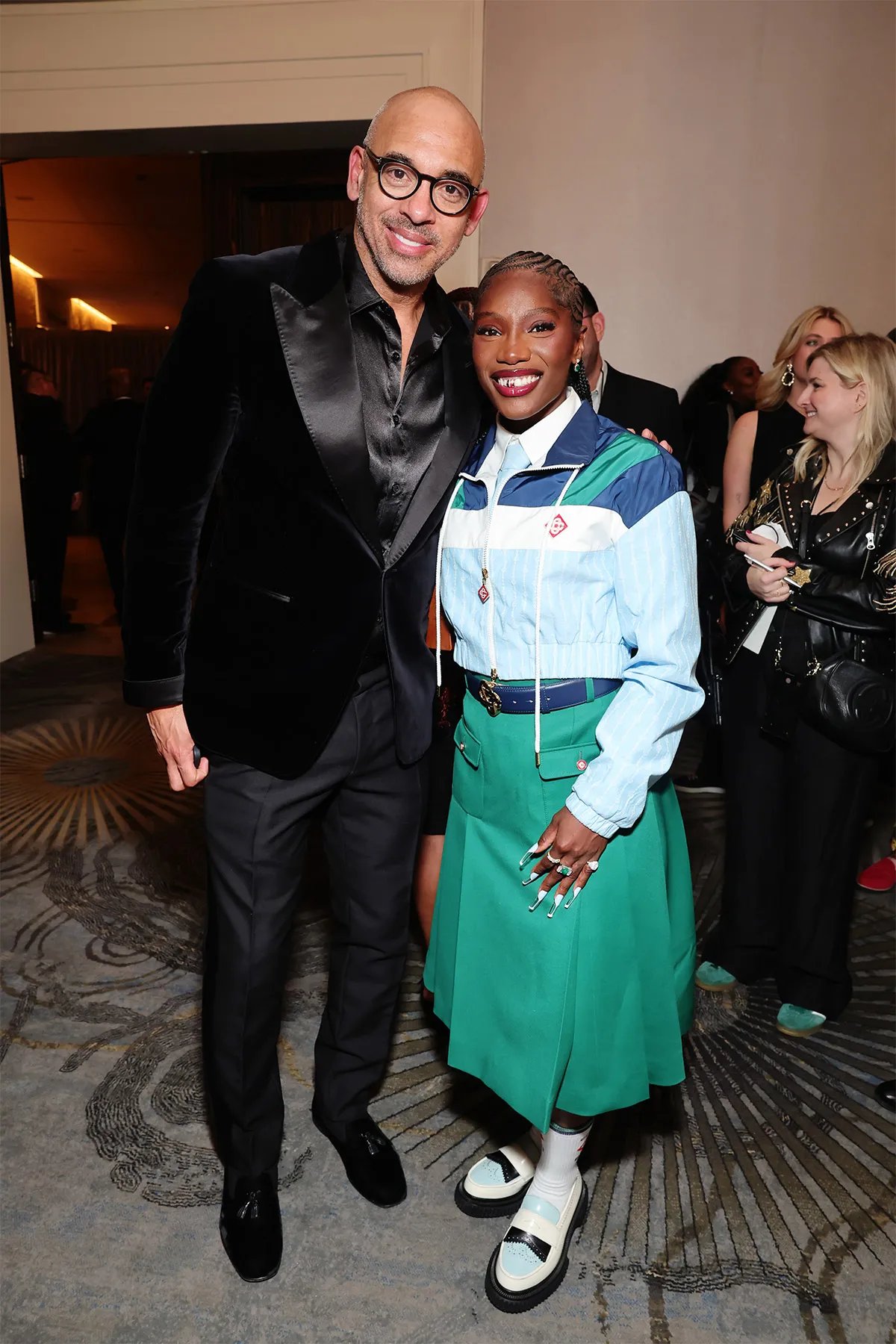
Harvey Mason Jr., President and CEO of the Recording Academy and MusiCares, has faced numerous challenges since stepping into his role in January 2020. Initially taking the position on an interim basis, he was officially appointed in June 2021. Mason has navigated the Academy through a tumultuous period marked by pandemic-related disruptions, rescheduling, a last-minute shift to Las Vegas, and the Los Angeles wildfires. As he prepares for the upcoming Grammys on February 1, 2026, at L.A.’s Crypto.com Arena, Mason remains cautiously optimistic.
“There have been a lot of last-minute issues,” Mason admits. “I’m hopeful this will be my first event without external disruptions, though it will certainly be a significant occasion.”
Leadership and Reforms
Mason has also worked to steer the Academy through internal controversies. His tenure follows accusations of harassment and corruption against former CEO Deborah Dugan and her predecessor, Neil Portnow. Under Mason’s leadership, the Academy has seen significant restructuring. Since 2019, over 70% of its 15,000 voting members have been replaced, increasing diversity with a 65% rise in people of color and a 90% increase in Black or African American members. This shift has led to the introduction of new categories, such as best African music performance and songwriter of the year.
These changes have contributed to notable Grammy wins for underrepresented artists. In February, Beyoncé won her first album of the year award, a category historically challenging for artists of color. The 2026 nominations include K-pop artists HUNTR/X and Rosé with Bruno Mars, marking a first in the song of the year category. Additionally, Bad Bunny is the first Spanish-language artist to be nominated for album, song, and record of the year simultaneously.
Audience Engagement and Challenges
Audience response to these changes has been positive. In 2024, Grammy viewership increased by 34% to 17 million, although it saw a 9% decline in 2025. However, the broadcast generated 102.2 million social media interactions, a record high.
Despite these successes, Mason acknowledges ongoing challenges, particularly regarding the role of artificial intelligence in music. “This is the toughest part of my job,” he says. “We’re trying to find the best stance on AI while advocating for our human members and creators.”
Genre Representation and New Artists
Mason addresses concerns about genre representation, noting that the Academy relies on its voting body to ensure diverse genres are represented. He emphasizes outreach to underrepresented communities to encourage participation. Regarding the best new artist category, Mason clarifies it honors artists who achieve a breakthrough, regardless of their industry tenure.

“It’s more about recognizing artists who have recently gained national prominence,” Mason explains.
Adapting to Streaming and AI Developments
Mason sees the fragmentation of listenership in the streaming era as an exciting development, allowing music lovers to explore diverse genres. He aims to ensure the Academy’s membership reflects this diversity. Since 2019, 70% of voters have been newly qualified, ensuring they have current industry knowledge.
In response to AI’s role in music production, Mason observes that professionals use AI as a tool to enhance creativity. “They’re using it as inspiration or to overcome creative blocks,” he notes.
Future Directions and Broadcasting Changes
Looking ahead, the Grammys will move to ABC, Hulu, and Disney+ in 2027, prompting a reevaluation of the show’s format. “This transition allows us to reach a broader audience and rethink our approach,” Mason says.

Mason remains confident about the Grammys’ relevance, emphasizing its peer-based voting system. “The Grammys matter because they are judged by music professionals,” he asserts.
This article appears in the December 6, 2025, issue of Billboard.