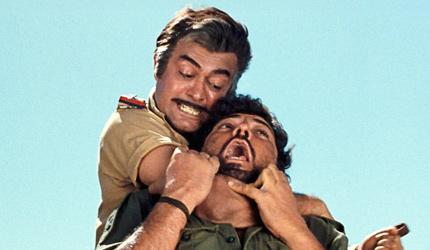





Over the past fifty years, actors have aged or passed on, cities have transformed, the film industry has evolved dramatically, single-screen cinemas have been replaced by multiplexes, audience preferences have shifted, rural life has changed significantly, and inflation has impacted the currency’s value.
Yet, a classic film remains timeless.
Deepa Gahlot pays tribute to Sholay as it returns to theaters.
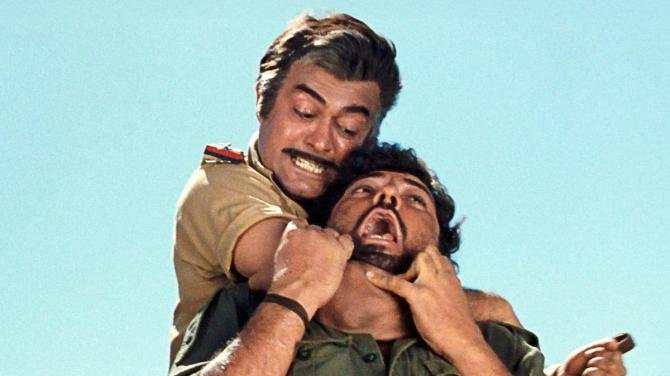
IMAGE: Sanjeev Kumar and Amjad Khan in Sholay.
Enduring Legacy of Sholay
Unlike filmmakers who boast of large box office returns, Sholay: The Final Cut continues to draw audiences even after 50 years. Numerous classics have been restored by the Film Heritage Foundation or the National Film Archives, and some have been re-released. However, Ramesh Sippy’s 1975 masterpiece, Sholay, remains unforgettable, with dialogues that have become part of everyday language and R D Burman’s innovative music still cherished.
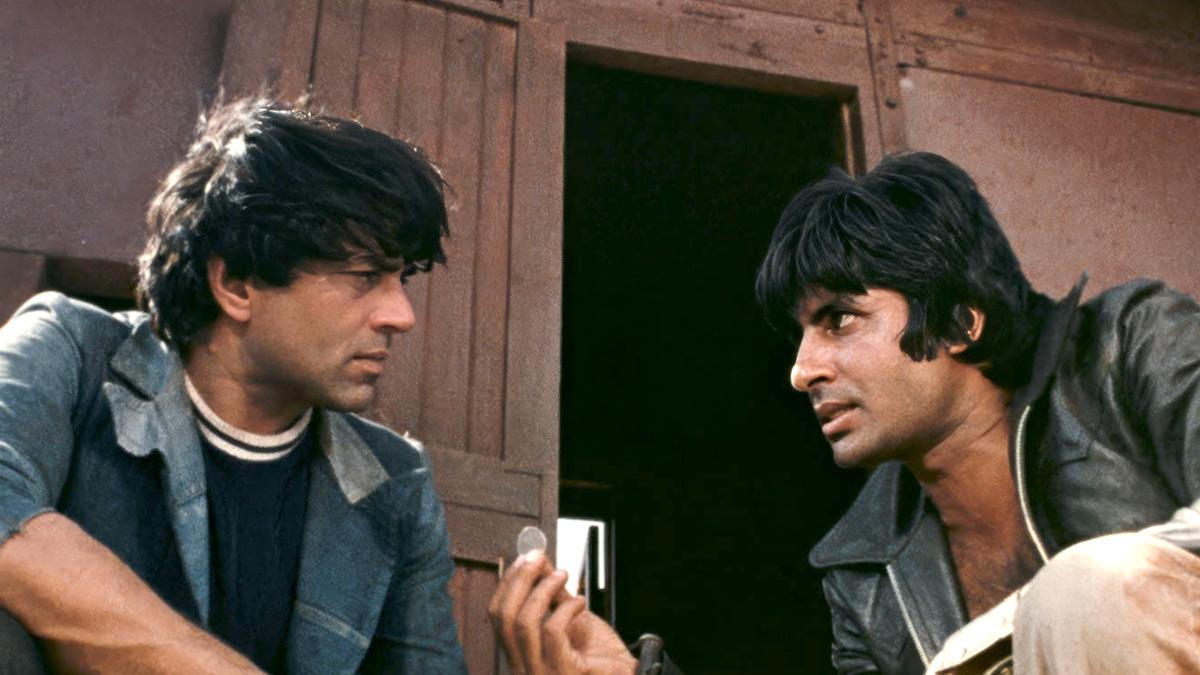
IMAGE: Dharmendra and Amitabh Bachchan in Sholay.
A Changing Cinema Landscape
In 1975, cinema-goers lined up for tickets, with popular films often having tickets sold on the black market. Today, online booking has eliminated scalpers, but ticket and snack prices have soared. Despite these changes, Sholay deserves to be experienced on the big screen, with audiences either discovering its magic for the first time or reliving it.
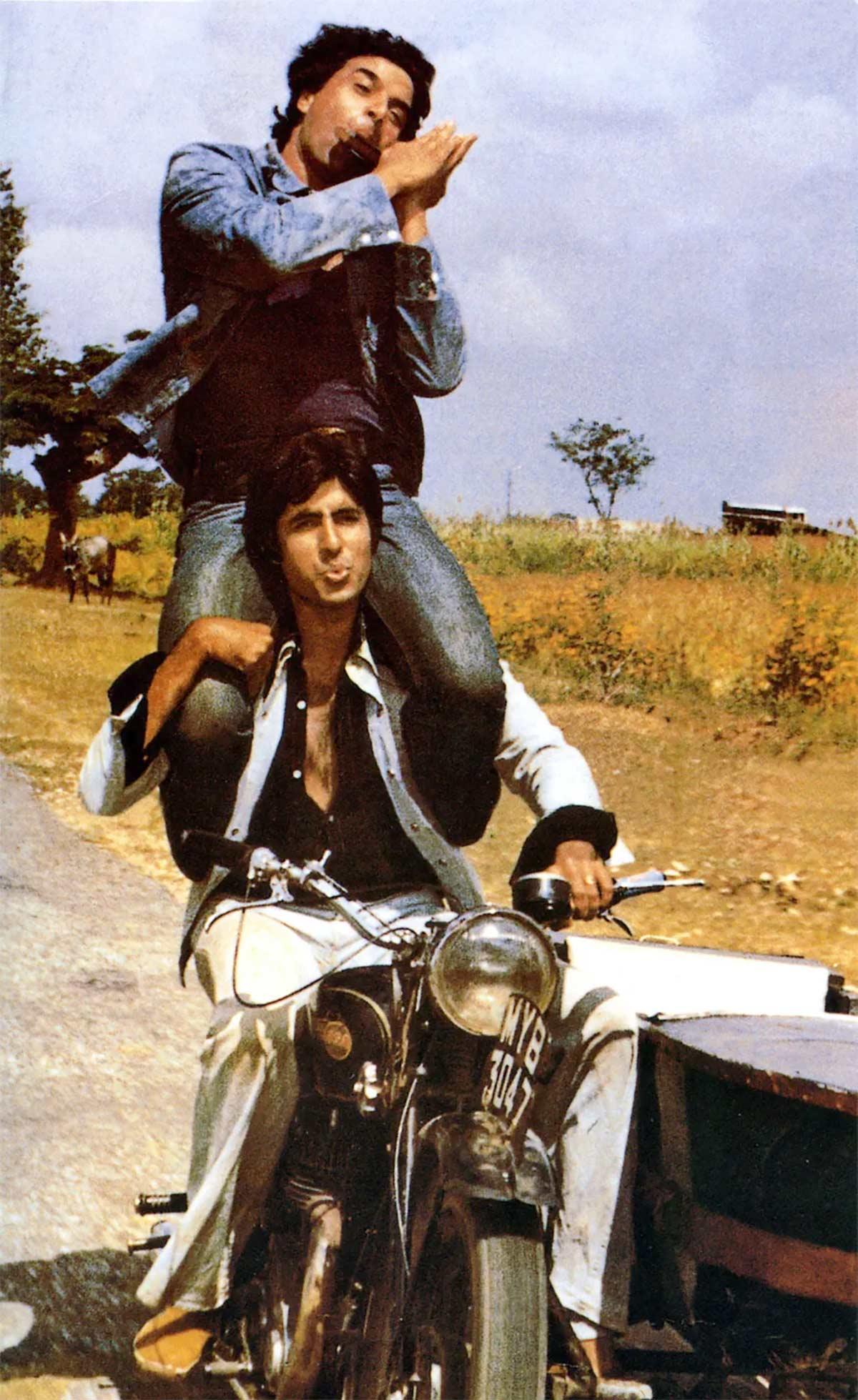
IMAGE: Dharmendra and Amitabh Bachchan in Sholay.
The Cast and Iconic Scenes
In the absence of star egos, Amitabh Bachchan accepted fourth billing and shared the spotlight with Dharmendra. The film’s initial lukewarm reception led to suggestions that Sippy change the ending, but he remained committed to his vision. Hema Malini and Jaya Bachchan delivered memorable performances, adding depth to the film’s narrative.
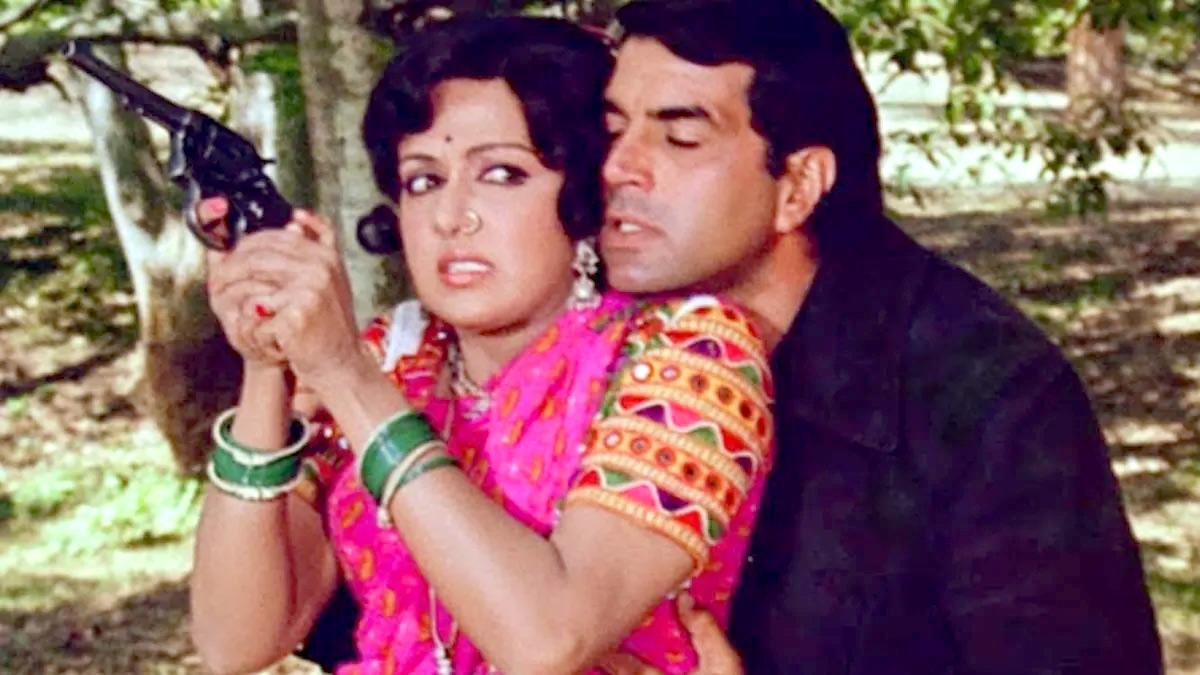
IMAGE: Hema Malini and Dharmendra in Sholay.
Influences and Innovations
The script by Salim-Javed drew inspiration from Akira Kurosawa’s Seven Samurai and John Sturge’s The Magnificent Seven. They crafted a unique story, introducing memorable characters like Soorma Bhopali and the quirky jailor, played by Jagdeep and Asrani, respectively. The film balanced humor and intensity, with scenes that remain iconic.
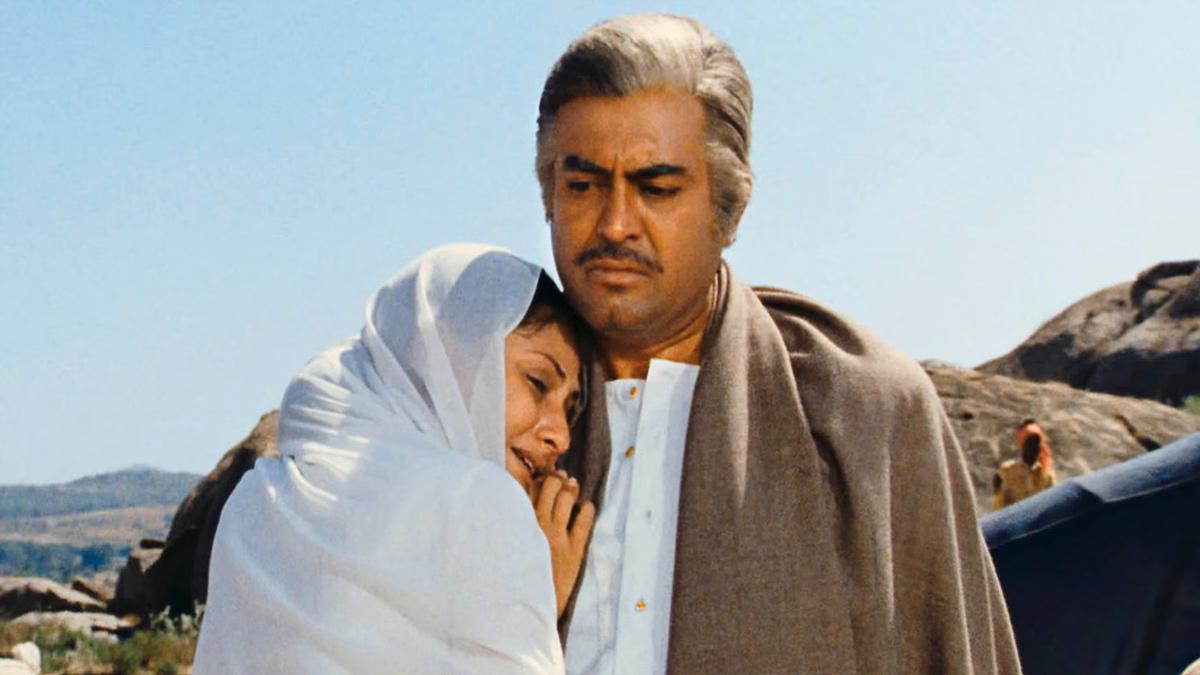
IMAGE: Jaya Bachchan and Sanjeev Kumar in Sholay.
Memorable Moments and Censorship
During the Emergency, the film faced censorship changes, including altering Thakur’s revenge scene. Nevertheless, the original ending remains powerful. The film’s realistic action sequences, without modern CGI enhancements, captivate audiences even today, making Sholay a timeless classic.
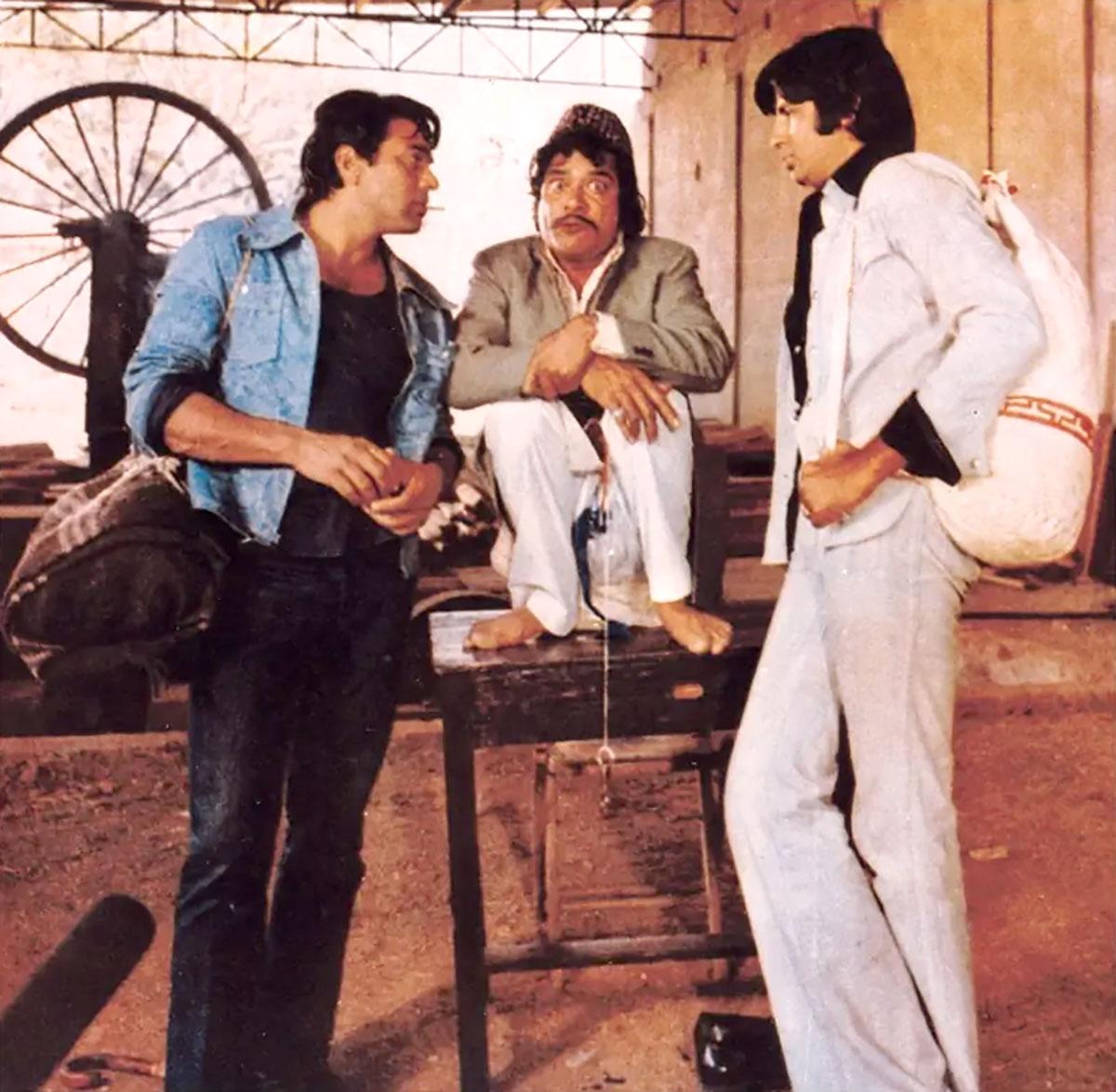
IMAGE: Dharmendra, Jagdish, and Amitabh Bachchan in Sholay.
Conclusion
Despite familiarity with its scenes, songs, and dialogues, audiences still find joy in Sholay. It remains a captivating experience, drawing both laughter and tears, a testament to its enduring appeal and place in film history.
Photographs curated by Satish Bodas/Rediff