





EXCLUSIVE
Russell Crowe’s ‘Nuremberg’ film uncovers the reality of the ‘most notable’ Nazi trials.
Dec. 7 2025, Published 3:00 p.m. ET
Russell Crowe stars in a new film exploring the Nuremberg trials, shedding light on the Allies’ decision to pursue justice over revenge following the fall of Nazi Germany.
Six months after the surrender of Germany in May 1945, the Allies, having suffered immense losses, set up an unprecedented tribunal in Nuremberg to prosecute Adolf Hitler’s top surviving officials.
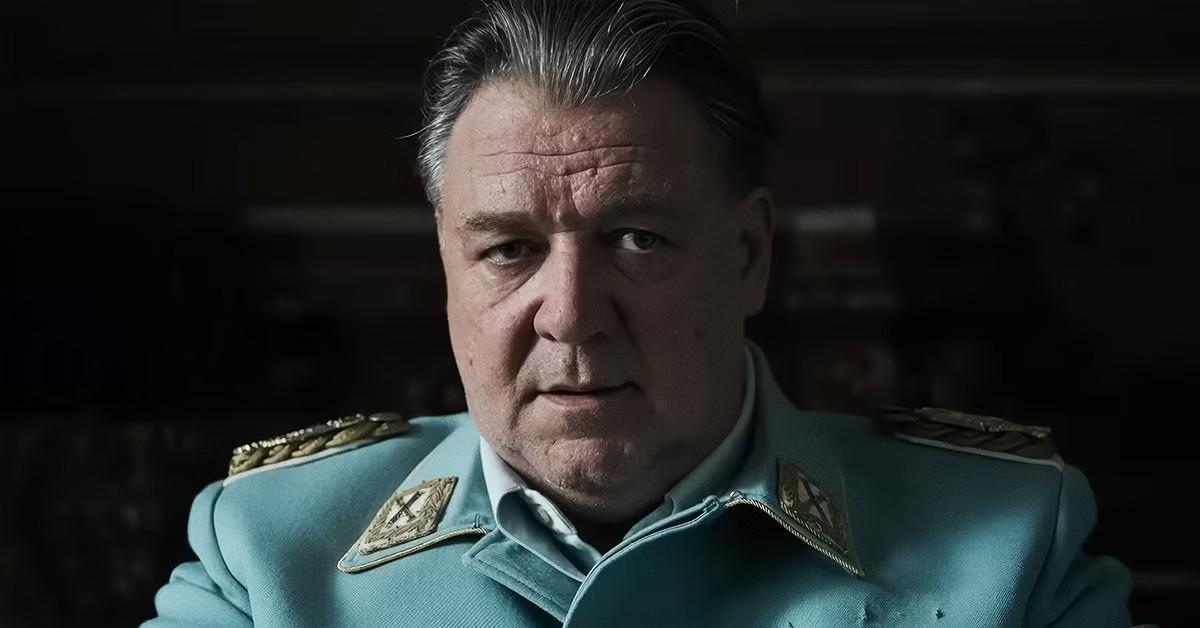
Russell Crowe stars in ‘Nuremberg.’
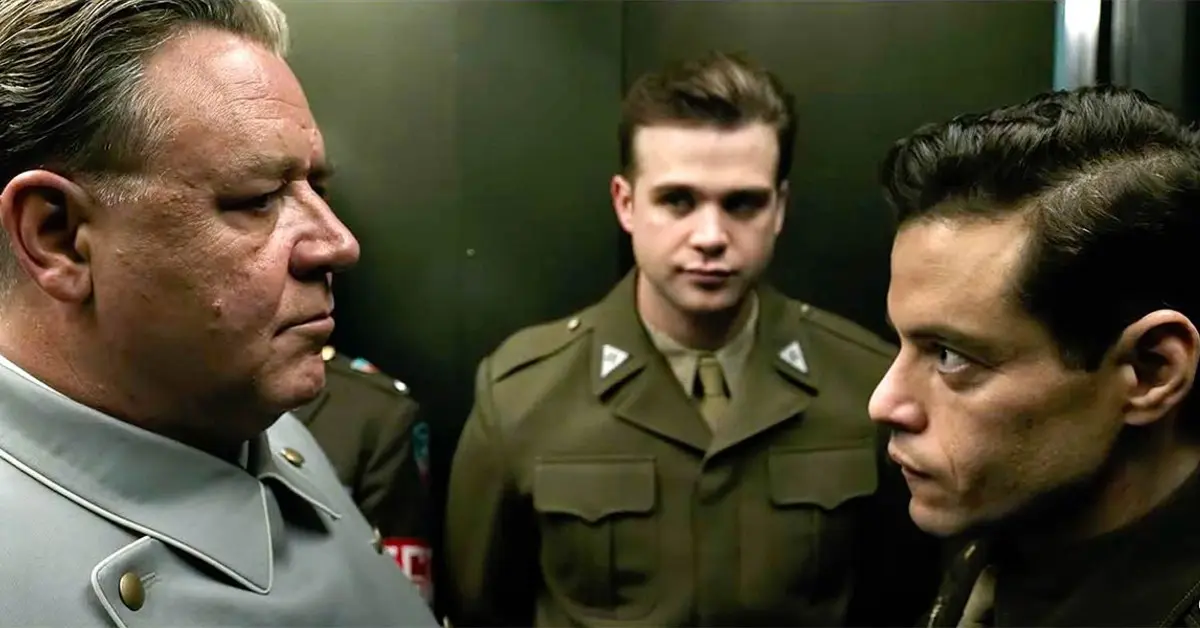
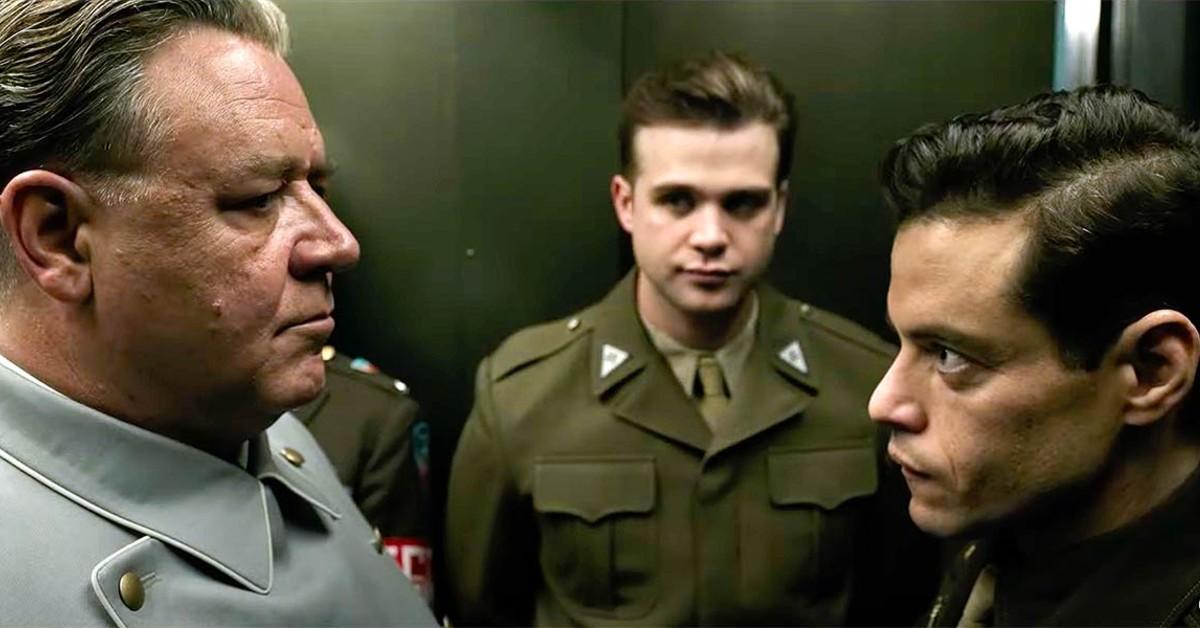
The film, Nuremberg, features Oscar winners Crowe and Rami Malek. It revisits the story of psychiatrist Douglas Kelley, portrayed by Malek, who evaluated Hermann Goering, played by Crowe. The trials, beginning on November 20, 1945, introduced charges of crimes against humanity and brought to light the horrors of extermination camps.
The trials were led by British judge Sir Geoffrey Lawrence. His grandson, Patrick Lawrence, KC, recounted the political tensions influencing the tribunal, noting Winston Churchill’s initial suggestion of executing the accused without trial.
“Churchill was advised against this approach,” Patrick Lawrence explained. “The trials were meant to set a precedent for a fairer world, and my grandfather worked diligently to ensure they were conducted justly.”
Hitler and his successor Joseph Goebbels killed themselves in Berlin.
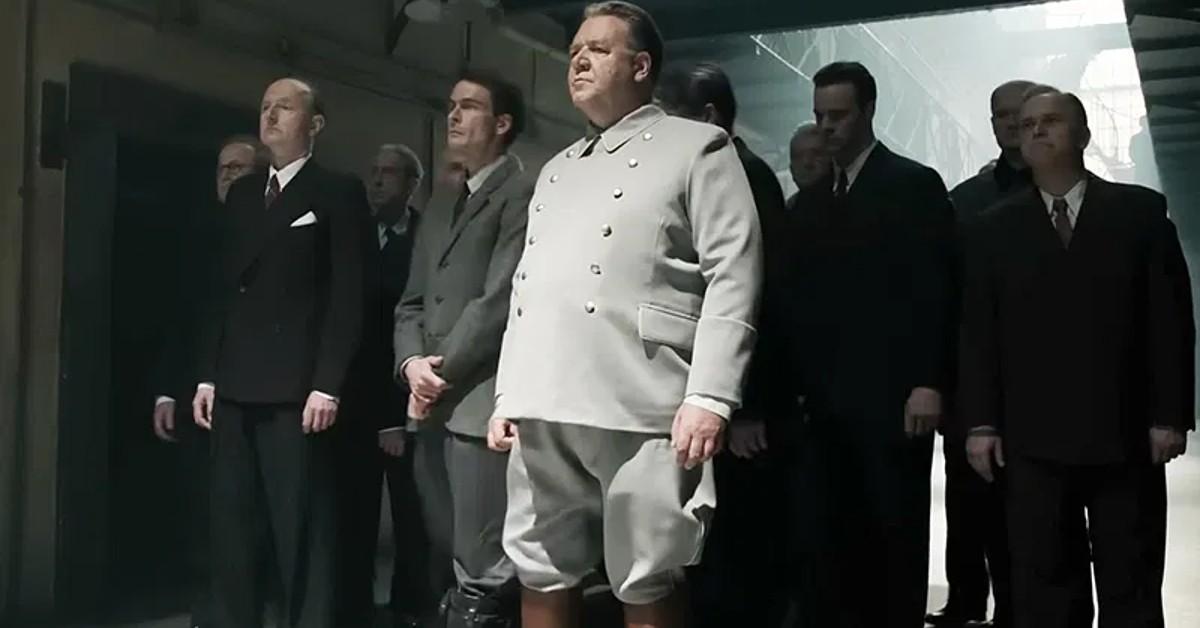
While Hitler and Joseph Goebbels took their own lives in Berlin, and Heinrich Himmler died in British custody, others like Josef Mengele escaped. However, Goering, Rudolf Hess, and Joachim von Ribbentrop were captured. The Allies debated the extent of their responsibility.
Prosecutors faced the challenge of defining crimes like genocide, a term introduced by Polish lawyer Raphael Lemkin. The tribunal settled on charges including waging aggressive war and crimes against humanity.
“These trials were groundbreaking,” Patrick Lawrence stated. “They set a precedent for international law, despite the legal uncertainties surrounding retroactive charges.”
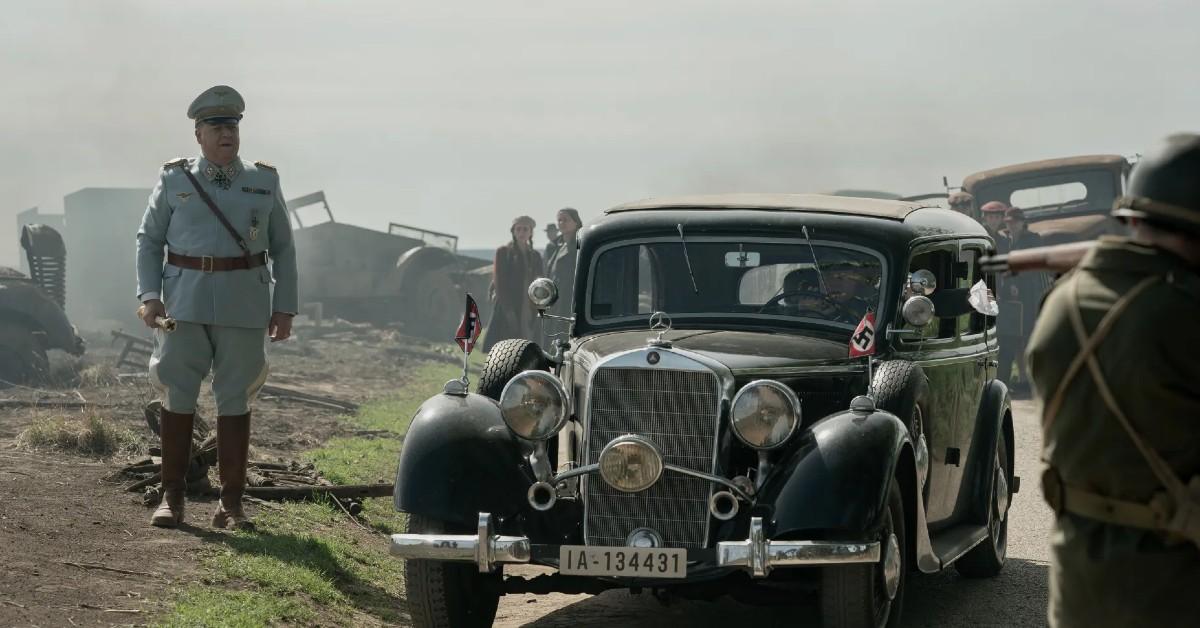
Germany surrendered in May 1945.
Despite Soviet pressure for death sentences, Lawrence’s grandfather insisted on fair trials. Defendants, including Hess and Goering, often mocked the proceedings, with Goering attempting to manipulate outcomes through his courtroom demeanor.
A critical moment occurred when British prosecutor Sir David Maxwell-Fyfe exposed Goering’s awareness of illegal acts, including the murder of Allied prisoners. This was supported by harrowing footage of Nazi camps.
Patrick Lawrence noted, “Maxwell-Fyfe’s methodical approach revealed Goering’s deeper involvement, preventing him from escaping justice.”
Ultimately, 21 of the 24 defendants were convicted, with Goering sentenced to death. However, he evaded execution by taking cyanide.
“The trials highlighted the importance of justice even for enemies,” Lawrence concluded. “They established principles that remain vital today.”