




When Taylor Swift released her album The Life of a Showgirl, she faced significant online backlash, which new findings suggest was a coordinated effort.
Accusations and Online Response
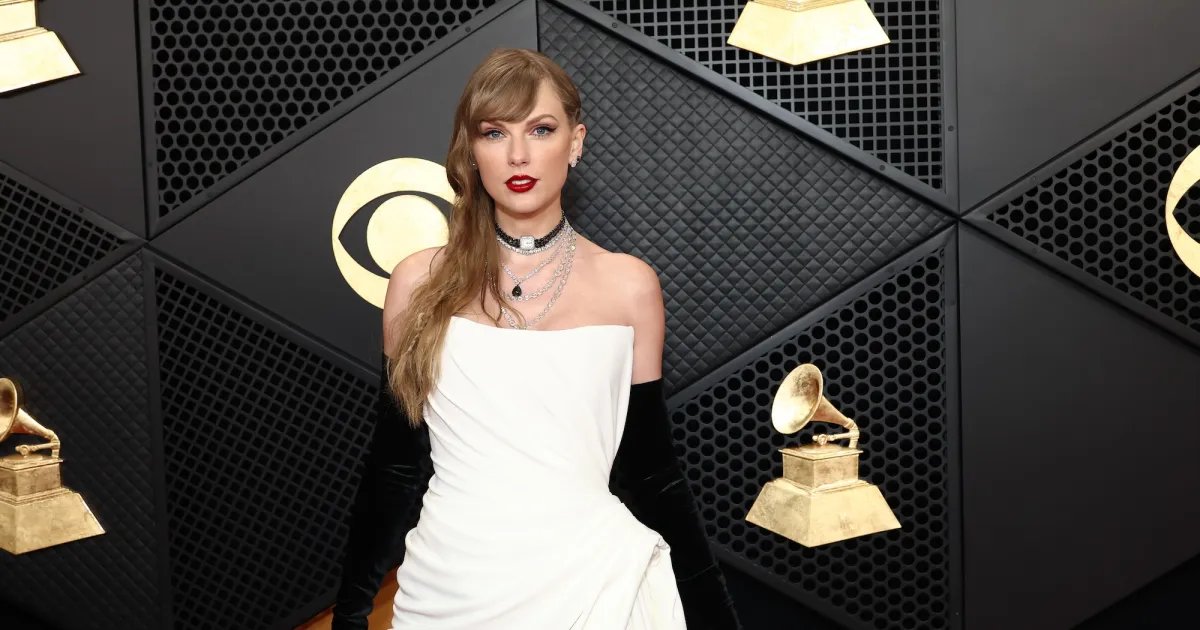
In October, Swift, 35, was accused on social media of supporting MAGA, traditional wife ideologies, and white supremacy. Critics targeted specific words from her album—such as the term “savage” in the song “Eldest Daughter”—and symbols, including a necklace on her website that some compared to Nazi imagery due to its lightning bolt charms.
Swift’s fans, known as Swifties, quickly defended her, engaging with these theories on social media.
Investigation by GUDEA
GUDEA, a behavioral intelligence company, analyzed over 24,000 posts and 18,000 accounts across 14 digital platforms between October 4 and October 18 to understand the spread of these claims.
GUDEA’s analysis revealed that 3.77% of accounts were responsible for 28% of the discussions about Swift and her album during this period. This cluster of accounts was identified as spreading inflammatory content about Swift. (Rolling Stone first reported this on Wednesday, December 10.)
Spread of Misinformation
The research indicated that these narratives often originated on platforms like 4chan or KiwiFarms before moving to mainstream social media, where they gained traction as users engaged with them.
“The false narrative that Taylor Swift was using Nazi symbolism extended beyond fringe spaces, drawing in comparisons between Swift and Kanye West,” researchers noted. “This shows how a strategically seeded falsehood can evolve into widespread discourse, altering public perception even if most users don’t believe the initial claim.”
Insights from GUDEA
Georgia Paul, GUDEA’s head of customer success, initiated the investigation into Swift’s online discussions after suspecting unusual activity. Her team confirmed this with two peaks in misleading activity related to Swift.

Taylor Swift, a highly decorated musician, has faced several controversies. Her debut album in 2006 marked the start of her career, leading to her evolution into pop music.
The first spike occurred on October 6 and 7, with about 35% of posts identified as bot-generated. The second spike, from October 13 to 14, after Swift released a necklace collection, saw about 40% of posts from “inauthentic accounts,” making up 73.9% of the conversation.
Challenges of Online Misinformation
“The internet is fake,” joked Keith Presley, GUDEA’s founder and CEO, highlighting that bots make up 50% of online content. “We’ve observed this type of reputation damage increase on the corporate side.”
Although the identity of those behind the attack remains unknown, GUDEA found significant overlap between accounts promoting the Swift “Nazi” narrative and those involved in a separate campaign against Blake Lively.
Connection to Blake Lively
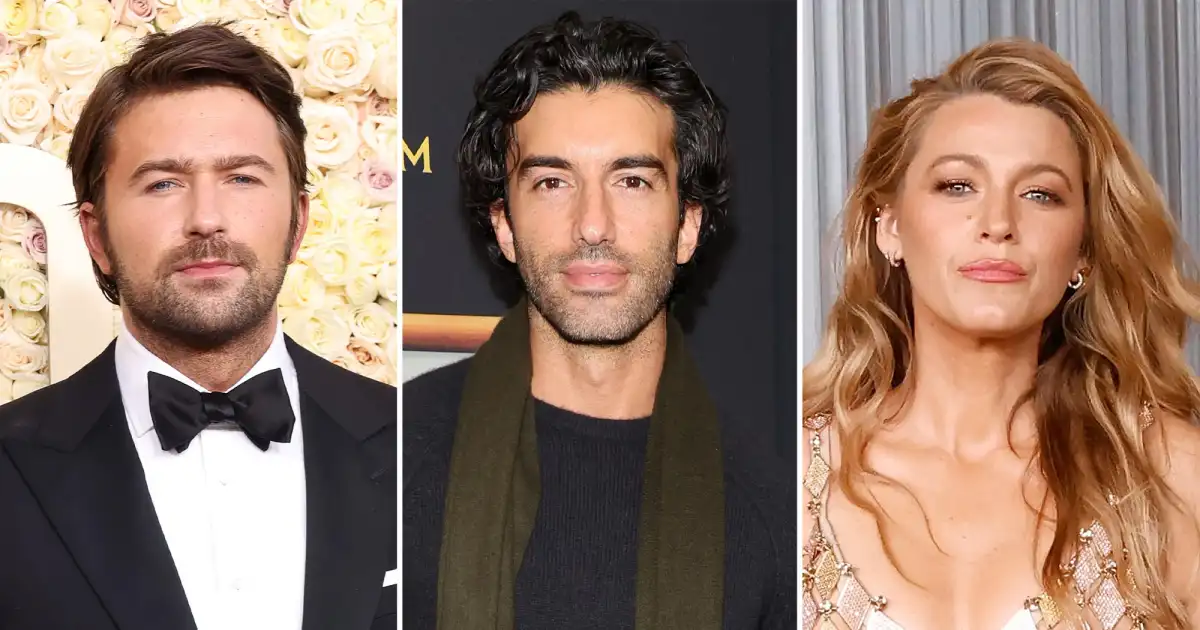
The reference to Lively, 38, ties into her legal dispute with It Ends With Us co-star and director Justin Baldoni. Lively alleged that Baldoni’s actions went beyond standard crisis PR, involving “astroturfing,” where opinions appear to come from the public but are actually orchestrated by organizations. (Lively’s lawsuit against Baldoni for sexual harassment led to a countersuit, which was dismissed in June. Their trial is set for May 2026.)

Justin Baldoni’s lawyer addressed the lawsuit filed by Blake Lively, accusing him of harassment and launching a campaign to harm her reputation.
GUDEA’s data revealed a network that amplifies celebrity controversies and injects misinformation into organic conversations.
Potential Implications
Presley noted the sophistication in using social media to potentially damage reputations. Rolling Stone suggested these attacks might be a precursor to future endeavors.
“If I can influence Taylor Swift’s fan base, an icon and political figure, could I replicate this elsewhere?” speculated Paul, considering the potential for non-U.S. actors to test these strategies.
The motives behind these attacks remain unclear, though they succeeded in generating widespread discussion.
“These narratives, especially inflammatory ones, gain traction through algorithms and influencers seeking clicks,” Presley explained.
Us Weekly has reached out to Swift for comment.