




Importance of Home Air Purifiers for Babies
Air purifiers can significantly enhance indoor air quality by removing allergens, odors, smoke, and other harmful substances. With numerous models available, choosing the right one involves considering factors like performance, noise level, and cost. This guide highlights top-rated options and how to select the best purifier for your home.
Why Clean Air Matters for Infants
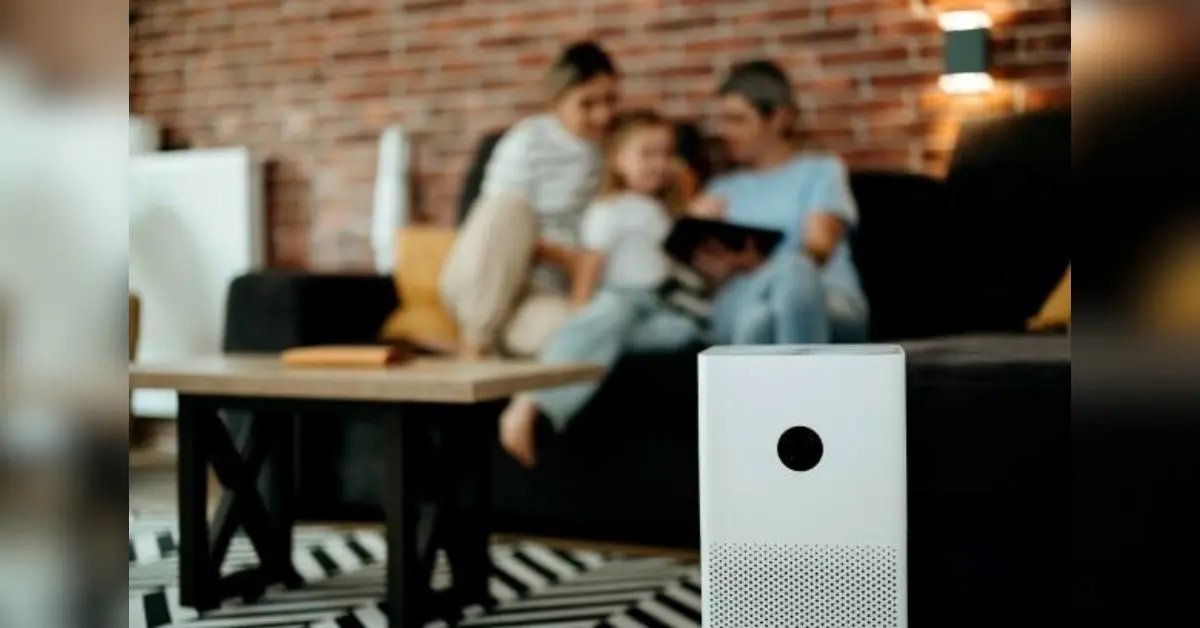
Clean air is crucial for babies as they breathe more rapidly than adults, exposing them to higher levels of airborne irritants like dust, pollen, pet dander, mold spores, smoke, and VOCs from household products. These pollutants can cause congestion, allergies, sleep disturbances, or discomfort due to their undeveloped immune and respiratory systems.
The Momcozy nursery air purifier is designed to mitigate these risks by filtering harmful particles before they reach your baby. Many parents report fewer sneezes, improved sleep, and a cleaner environment after installing a purifier in nurseries or living areas.
Characteristics of Top-Rated Purifiers
Highly rated home air purifiers share several key features:
True HEPA Filtration
Must capture at least 99.97% of particles smaller than 0.3 microns, including common irritants like pollen and dust mites.Activated Carbon Layer
Essential for eliminating odors from diapers, cooking, or VOCs from cleaning products.Quiet Operation
Quiet models are ideal for sensitive sleepers, especially in night mode.Safety Certifications
Look for CARB, Energy Star, or UL certifications to ensure safety, efficiency, and ozone-free operation.Effective Room Coverage
Should match the purifier’s capacity to the room size, providing good CADR numbers.
Recommended Purifiers for Baby-Friendly Homes
Several models stand out for their baby-friendly features and performance:
Dyson Purifier Cool
Ideal for nurseries with a bladeless design, combining HEPA and activated carbon filtration with real-time air quality monitoring.Honeywell HPA300
Popular for larger nurseries or open spaces, offering excellent HEPA filtration and high CADR ratings.Levoit Core 300S
Affordable, quiet, and app-controllable, with HEPA filtration suitable for small nurseries.Coway Airmega AP-1512HH
Offers long-term performance with an auto mode and energy-saving Eco Mode.Blueair Blue Pure 211+
Suitable for larger areas, using mechanical and electrostatic filtration for near-silent operation.
Choosing the Right Purifier
Selecting an air purifier involves several considerations:
- Room Size: Ensure the purifier covers the intended area effectively.
- Noise Level: Opt for models with sleep mode or low decibel levels for quiet operation.
- Filter Type: True HEPA filters are essential, along with activated carbon for odor removal.
- Ozone-Free Operation: Avoid ionizers or ozone-generating models. Look for CARB certification.
- Ease of Use: Features like timers, auto mode, and app control are beneficial but should not compromise filtration quality.
Maintenance and Costs
To maintain effectiveness:
- Filter Replacements: HEPA filters last 6-12 months, carbon filters 3-6 months. Replacement costs vary by brand.
- Energy Use: Choose Energy Star-rated models to avoid high energy bills.
- Cleaning: Regularly clean pre-filters to ensure optimal performance.
- Long-Term Value: Higher-priced models may offer better long-term value due to durability and performance.
Conclusion
Choosing the right air purifier can greatly impact your baby’s health and comfort. Top models provide effective filtration, quiet operation, and safety, ensuring better air quality. Investing in a high-quality purifier is a long-term commitment to your family’s well-being.