




Rapper Wins Damages After Jury Finds Milagro Gramz Liable for Deepfake Content and Emotional Harm
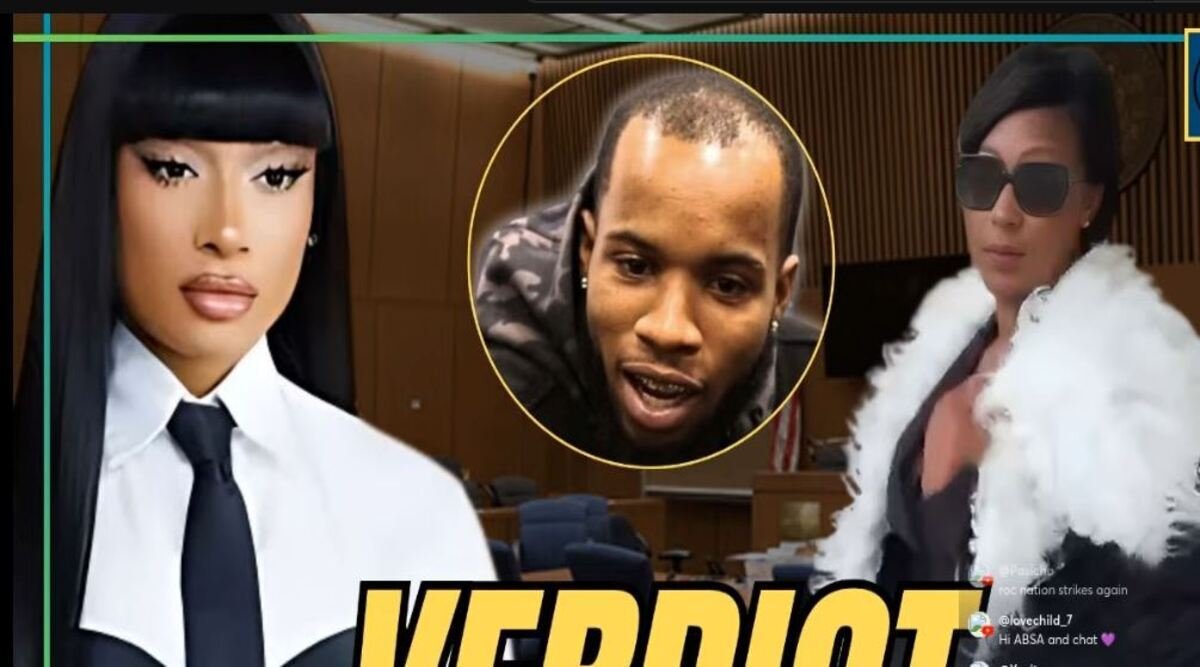
Megan Thee Stallion achieved a legal victory in a Florida court on Monday, successfully suing blogger Milagro Cooper, known as Milagro Gramz online. The jury awarded the Grammy-winning artist $75,000 in damages, finding that Cooper’s online actions were unlawful.
Details of the Damages
The jury allocated the damages across several categories. Megan was awarded $15,000 for defamation, recognizing the harm to her reputation. An additional $8,000 was for emotional distress caused by Cooper’s behavior, with the largest sum of $50,000 related to a deepfake video incident.
The deepfake video, which falsely portrayed Megan in an intimate setting, was convincing enough to mislead many social media users during the 20 minutes it was available on Cooper’s platforms. The jury also included $1,000 each for punitive damages and further emotional distress.
Megan’s Reaction
After the verdict, TMZ Hip Hop captured Megan leaving the courthouse with her legal team and Travis Farris. She expressed her happiness and relief at the conclusion of the case.
Megan’s demeanor indicated the emotional burden lifted after the intense legal proceedings. She maintained that Cooper’s actions went beyond normal online commentary, causing real harm.
Cooper’s Financial Concerns
Cooper spoke to TMZ following the verdict, expressing uncertainty about her ability to pay the $75,000 judgment. Her attorney, Jeremy McLymont, had argued that Cooper’s posts were protected speech.
The defense attempted to shift the focus by suggesting Megan’s emotional distress stemmed from a previous shooting incident, but the jury did not accept this argument.
Impactful Testimony
During the trial, Megan testified about the negative impact of Cooper’s posts on her mental health. Her emotional account highlighted the trauma from seeing false content spread online.
Megan described the distress caused by the deepfake video, which many believed to be real. Her testimony resonated with the jury, who ruled in her favor.
The Deepfake Controversy
A key issue in the case was Cooper’s sharing of deepfake pornographic content, falsely depicting Megan. The video, generated using artificial intelligence, appeared realistic enough to deceive viewers.
The brief availability of the deepfake was enough to cause significant harm to Megan’s reputation and emotional well-being. The case highlights the legal challenges posed by increasingly realistic fabricated content.
Defense Strategy
Cooper’s legal team argued that Megan’s psychological issues were due to other incidents, like the shooting, and claimed Cooper’s actions were protected by free speech.
The defense aimed to present Cooper as a blogger exercising her First Amendment rights. However, the jury concluded that her actions constituted defamation.
Implications of the Verdict
The ruling is significant in discussions about online behavior, the responsibilities of influencers, and the legal repercussions of spreading false information. As deepfake technology advances, similar cases may arise.
For Megan, the verdict offers financial compensation and validates her claims about the harm caused by Cooper’s conduct. It also serves as a cautionary tale for content creators about the legal risks of defamatory actions.
The case concluded shortly after Thanksgiving, ending a lengthy legal process and allowing both parties to move on.
Story credit: TMZ